
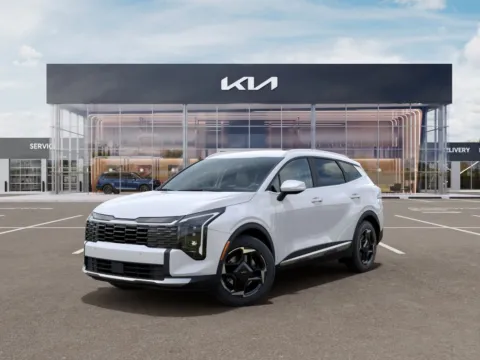
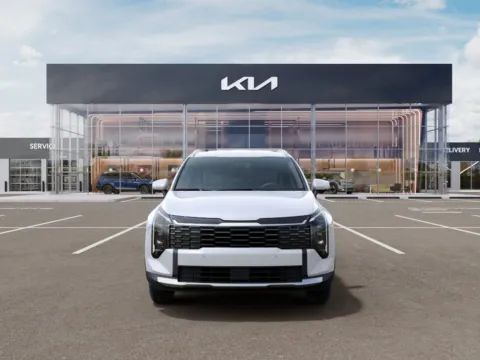
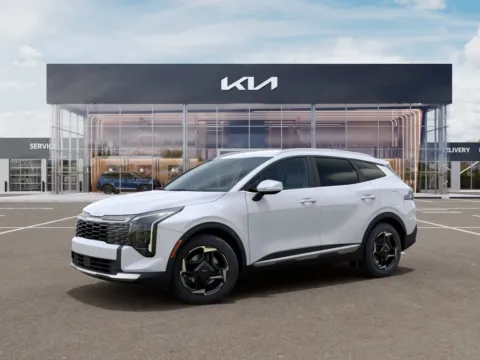
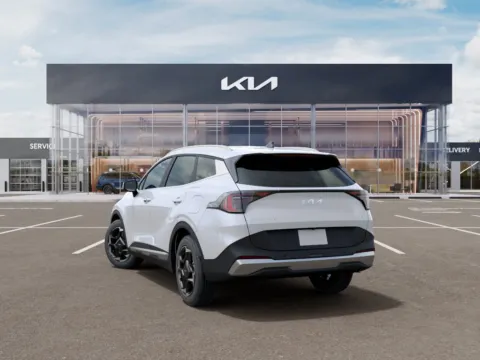
2027 Kia EV3 Specs in Hamburg PA
OUTTEN KIA / EV3
Check the numbers behind your EV3 choice
Make room for everyday electric driving

The 2027 Kia EV3 specifications combine two battery capacities, front-wheel drive or dual-motor AWD, and a five-passenger cabin at Outten Kia in Hamburg. FWD output is 201 hp, regular AWD output is 261 hp and GT output is 288 hp. Battery size and drive layout affect the distance between charging stops, so compare the complete configuration rather than selecting by trim name alone. Reading and Allentown shoppers can compare those configurations with the dimensions and charging requirements below.
See the EV3 buying overview for the vehicle as a whole, or compare EV3 trim equipment to connect a specification with the seats, cameras and convenience features included on each trim.
- The EV3 uses a 58.3-kWh battery in Light and an 81.4-kWh battery in Wind, Land, GT-Line and GT.
- Different bumper treatments change the overall length between EV3 trim groups; verify the clearance at the ends of a tight parking space.
- Front and rear legroom measure 41.7 and 37.4 inches.
- Cargo volume is 26.1 cubic feet behind the rear seats or 56.5 cubic feet with them folded.
Electric motor and battery specifications
EV3 powertrain output depends on the drivetrain and trim, while battery capacity depends on the selected range configuration. Light has the standard-range pack. Wind, Land, GT-Line and GT have the extended-range pack; FWD Wind and Land keep a single front motor, while AWD configurations add a rear motor.
| Configuration | Battery energy | Horsepower | Torque |
|---|---|---|---|
| Light FWD | 58.3 kWh | 201 hp | 209 lb-ft |
| Wind FWD | 81.4 kWh | 201 hp | 209 lb-ft |
| Land FWD | 81.4 kWh | 201 hp | 209 lb-ft |
| Wind AWD | 81.4 kWh | 261 hp | 284 lb-ft |
| Land AWD | 81.4 kWh | 261 hp | 284 lb-ft |
| GT-Line AWD | 81.4 kWh | 261 hp | 284 lb-ft |
| GT AWD | 81.4 kWh | 288 hp | 345 lb-ft |
The front motor is a permanent-magnet AC synchronous unit, and AWD models add an induction motor at the rear. A single-speed reduction drive transfers power. Battery energy in kWh describes stored energy; motor output describes power. The same battery capacity can therefore appear beside different horsepower figures without being a contradiction.
Choose between the two battery packs.
Choose FWD or a dual-motor AWD configuration.
Compare the output assigned to the exact configuration.
Exterior dimensions for Hamburg parking spaces
The EV3 body measures 169.3 inches in Light, Wind and Land and 169.7 inches in GT-Line and GT. Its body width stays consistent across the lineup, while roof treatment, bumper design and ground clearance create specific trim differences. Measure the entrance to your parking space as well as the space inside it.
| Measurement | Configuration | Dimension |
|---|---|---|
| Length | Light / Wind / Land | 169.3 inches |
| Length | GT-Line / GT | 169.7 inches |
| Width | All trims, body-width specification | 72.8 inches |
| Wheelbase | All trims | 105.5 inches |
| Height | Light / Wind | 62.0 inches |
| Height | Wind Nightfall / Land Nightfall configuration | 63.0 inches |
| Height | GT-Line | 62.2 inches |
| Height | GT | 62.0 inches |
| Ground clearance | Light / Wind / Land | 5.9 inches |
| Ground clearance | GT-Line | 6.2 inches |
| Ground clearance | GT | 6.0 inches |
The width figure describes the published body dimension, rather than a promise that the mirrors and open doors fit within that space. A garage check needs room for mirrors, the driver to step out and the charging cable to reach its connection. If an upper storage shelf or a garage door hangs into the space, measure its lowest point with the door in its normal open position.
The EV3 turning radius is 17.03 feet. Radius and diameter are different measurements, so that figure should not be read as a curb-to-curb turning-circle diameter. The steering demonstration on your test drive is a useful complement: check a parking maneuver at a safe, low speed with the space around the vehicle clear.
Curb weight and gross vehicle weight
Curb-weight ranges reflect configuration and equipment. Gross vehicle weight rating is the permitted combined vehicle, passenger and cargo weight; it is not the empty vehicle’s weight. The vehicle’s own certification and loading labels govern the EV3 you buy.
| Configuration | Curb-weight range | GVWR |
|---|---|---|
| Light FWD | 3,836–4,008 pounds | 4,982 pounds |
| Wind FWD | 4,048–4,195 pounds | 5,192 pounds |
| Land FWD | 4,048–4,195 pounds | 5,192 pounds |
| Wind AWD | 4,332–4,453 pounds | 5,423 pounds |
| Land AWD | 4,332–4,453 pounds | 5,423 pounds |
| GT-Line AWD | 4,332–4,453 pounds | 5,423 pounds |
| GT AWD | 4,436–4,453 pounds | 5,423 pounds |
Interior dimensions for Hamburg passengers
The EV3 provides 41.7 inches of front legroom and 37.4 inches of rear legroom. Seat position, seatback angle and child-restraint installation still affect usable space. To test rear comfort, first set the front seat for its regular occupant, then assess the space behind it.
| Measurement | Front row | Rear row |
|---|---|---|
| Legroom | 41.7 inches | 37.4 inches |
| Shoulder room | 56.8 inches | 55.1 inches |
| Headroom, without sunroof | 40.0 inches | 37.6 inches |
| Headroom, with sunroof | 38.5 inches | 37.6 inches |
Light and Wind use the no-sunroof headroom figures; Land, GT-Line and GT use the sunroof figures. Passenger volume is 99.7 cubic feet for Light and Wind and 97.6 cubic feet for Land, GT-Line and GT. These measurements answer different questions: headroom measures vertical space, while passenger volume describes the cabin more broadly. Neither replaces checking a tall occupant’s seating position.
For a Lebanon household fitting a rear-facing child seat, bring the restraint to the appointment and follow both the vehicle manual and restraint instructions. Check the passenger’s leg position after the child seat is secured. That sequence is more useful than setting both front seats far forward before deciding the rear row fits.


Cargo capacity and loading arrangements
Rear cargo capacity grows from 26.1 to 56.5 cubic feet when the rear seats are folded, with the cargo floor set to its lowest position. The 60/40 rear split supports mixed passenger-and-cargo arrangements, while the two-position luggage board changes how the floor meets the folded seating area.
| Loading arrangement | Cargo volume | How to evaluate it |
|---|---|---|
| Rear seats upright | 26.1 cubic feet | Check the shape of daily bags and the height of the opening. |
| Rear seats folded | 56.5 cubic feet | Measure longer equipment with the front seats set for driving. |
| Split rear seat | 60/40 folding seatback | Keep an appropriate passenger seat and secure the load. |
The U.S. EV3 has no trailer package. Its owner’s manual advises against installing a towing hitch or hitch-mounted carrier for the uses described there. Plan cargo around the interior and approved equipment rather than applying an overseas EV3 trailer rating to a U.S. vehicle. The EV3 trailer precautions provide that specific instruction.
A Quakertown shopper loading sports bags may keep part of the rear seat upright, while a larger purchase may need both sections folded. Secure items so they cannot move into the passenger space during a stop. Cargo volume does not establish the load’s allowable weight; read the loading label for the selected vehicle and account for the people traveling with you.
Wheels, tires and brakes
Light uses 17-inch wheels with 215/60R17 tires. Wind has a 17-inch configuration and available 19-inch selections tied to drivetrain or appearance equipment. Land, GT-Line and GT use 19-inch wheels, with tire size dependent on the specific build. Match replacement tires to the vehicle’s placard and approved fitment.
| Trim or configuration | Wheel information | Published tire sizes |
|---|---|---|
| Light | 17-inch | 215/60R17 |
| Wind | 17-inch; available 19-inch configurations | 215/60R17; build-dependent 215/50R19 or 235/45R19 |
| Land | 19-inch | 215/50R19; available 235/45R19 configuration |
| GT-Line | 19-inch GT-Line design | 235/45R19 |
| GT | 19-inch GT design | 235/45R19 |
All trims have four-wheel disc brakes with ABS. The front brake-disc diameter is 12.0 inches on FWD configurations and 12.8 inches on AWD configurations. Regenerative braking recovers energy through the electric drive system; friction brakes remain part of the stopping system. Tire condition and inflation deserve regular attention on US-222 as well as on neighborhood streets.
EV3 efficiency, range and charging
Wind FWD and Land FWD carry the highest EV3 range rating, at 321 EPA-estimated miles. The 58.3-kWh Light is rated at 221 miles. AWD models use the larger battery with a 280-mile rating. The efficiency figures below come from the EPA configuration records and use MPGe, not gasoline miles per gallon.
| Configuration | City MPGe | Highway MPGe | Combined MPGe | EPA range |
|---|---|---|---|---|
| Light FWD | 127 | 103 | 115 | 221 miles |
| Wind / Land FWD | 131 | 104 | 117 | 321 miles |
| Wind / Land / GT-Line AWD | 110 | 96 | 103 | 280 miles |
| GT AWD | 112 | 94 | 103 | 280 miles |
EPA estimates are for the stated configuration. Actual range and efficiency vary with temperature, speed, loads, tires, battery age and charging habits. EPA vehicle information.
A native NACS port connects the EV3 to compatible NACS charging equipment. AC home charging and DC public charging use different power sources and charge windows. Before choosing home equipment, have a qualified installer assess the location, circuit requirements and installation. The charging times below describe the stated equipment and conditions, not a guaranteed duration at every station.
| Charge window and equipment | Light | Extended-range models |
|---|---|---|
| AC 10–100%, 240 V / 11 kW EVSE | About 5 hours 10 minutes | About 7 hours |
| DC 10–80%, 50-kW EVSE | About 55 minutes | About 79 minutes |
| DC 10–80%, 350-kW EVSE under stated test conditions | About 29 minutes | About 31 minutes |
The fast DC test uses a high-output station and a battery temperature of approximately 72°F. Actual charging changes with temperature, battery age, station power, charging practice and the vehicle’s condition. A 350-kW station label does not establish the EV3’s peak acceptance rate. Likewise, the AC 10–100% times should not be substituted for an EPA full-charge-duration estimate with a different test basis.
Match the installation and supply to the parking location.
Use compatible equipment and account for battery temperature.
Compare the same start and end percentages, not just the minutes.
For a Selinsgrove driver whose other travel includes Interstate 81 and the Lehigh Valley, plan the charging location around the places you use rather than a range figure alone. Highway speed, cabin heating and a loaded vehicle affect energy use. A heat-pump system is available on Wind AWD and Land AWD and standard on GT-Line and GT; its role is cabin-heating efficiency, separate from the drivetrain’s traction function.

Key features by EV3 trim
Every EV3 includes the navigation touchscreen, digital instrument display and wireless smartphone integration. The larger comfort and camera upgrades belong to particular trims. This short matrix isolates those decisions without treating a feature’s existence somewhere in the lineup as standard everywhere.
| Equipment choice | Included configuration |
|---|---|
| 12.3-inch touchscreen and instrument display | Light, Wind, Land, GT-Line, GT |
| 5-inch climate display | Light, Wind, Land, GT-Line, GT |
| Heated front seats | Wind, Land, GT-Line, GT |
| Ventilated front seats | Land, GT-Line, GT |
| Surround View Monitor and Blind-Spot View Monitor | Land, GT-Line, GT |
| Harman Kardon premium audio and Digital Key 2.0 | GT-Line, GT |
| Head-Up Display and Highway Driving Assist 2 | GT |
Safety and driver-assistance equipment
Standard EV3 equipment includes Blind-Spot Collision-Avoidance Assist, Lane Following Assist 2 and Smart Cruise Control 2. Light through GT-Line include Highway Driving Assist, while GT uses Highway Driving Assist 2. GT also has the enhanced Forward Collision-Avoidance Assist 2 configuration.
These are driver-support functions with operating limits, not autonomous-driving systems. The driver must remain attentive and responsible for the vehicle. Camera views on equipped trims add information when maneuvering, and weather or visibility can affect what a system detects. Kia’s equipment descriptions and cautions explain the individual functions.
EV3 warranty coverage
Kia provides limited basic, powertrain, EV system and battery coverage with different terms. Time and mileage limits apply on a whichever-comes-first basis. Coverage conditions and exclusions matter, so keep the warranty booklet with the vehicle’s records.
| Coverage | Published term | Scope reminder |
|---|---|---|
| Limited basic warranty | 5 years / 60,000 miles | Subject to the warranty terms and exclusions. |
| Limited powertrain warranty | 10 years / 100,000 miles | Original retail purchaser eligibility applies. |
| Limited EV system coverage | 10 years / 100,000 miles | Covers eligible EV-system items under the booklet. |
| Limited EV battery coverage | 10 years / 100,000 miles | Battery coverage has its own conditions. |
| Limited anti-perforation warranty | 5 years / 100,000 miles | Rust-through coverage is distinct from surface corrosion. |
| Roadside assistance | 5 years / 60,000 miles | A limited assistance plan, separate from scheduled maintenance. |
EV3 maintenance and service connects that coverage with the actual service schedule. A warranty term is not an interval for replacing a component, and a routine service item is not automatically a covered repair.
What EV3 numbers mean in practice
Use dimensions to plan the space, then use the actual vehicle to confirm fit. Published numbers help narrow the choices; your passengers, equipment and parking arrangement determine whether a particular configuration suits the way you will use it.
| Your decision | Start with | Then check in person |
|---|---|---|
| Garage access | Length, body width and selected roof height | Mirror clearance, door-opening space and cable reach. |
| Adult rear-seat comfort | Legroom, headroom and front-seat position | Your regular front occupant seated ahead of you. |
| Child-restraint fit | Rear-seat access and installation instructions | The installed seat with the front passenger comfortable. |
| Cargo loading | Seats-up or folded cargo arrangement | The item’s rigid dimensions and a secured loading position. |
| Charging routine | Supply equipment and the required charge window | The parking location and installation requirements. |
EV3 specifications FAQs
Is the EV3 turning-radius figure a turning diameter?
No. The EV3 specification uses a turning radius, which measures from the center of the turn to its outer path. A turning-circle diameter spans the full circle. Keep those measurements separate when comparing vehicles, and try a safe parking maneuver to understand how the EV3 fits the spaces you use.
Why do EV3 curb-weight figures show a range?
Equipment and configuration affect curb weight, so the manufacturer lists minimum and maximum figures for the relevant trim and drivetrain. The range does not give a universal cargo allowance. Use the exact vehicle’s certification and loading labels when evaluating the combined weight of people and luggage.
Does the EV3 sunroof change front headroom?
Yes. The published front headroom differs between the no-sunroof and sunroof configurations. The rear headroom figure is unchanged in those listings. Sit in the roof configuration you plan to buy, with the seat at your normal height and angle, to assess the space above your head.
Can I compare AC charging time with DC charging time?
Compare them only with their charge windows and equipment clearly identified. The AC figures here cover a different state-of-charge window from the DC fast-charging figures. Power supply, battery temperature and vehicle limits also differ. Matching those conditions makes a time comparison useful instead of misleading.
Does a larger DC station rating set the EV3 charge rate?
No. The station’s rating describes its potential output, while the vehicle determines how much power it can accept at each point in the session. Temperature, charge level and other conditions affect that request. A fast-charging time measured on particular equipment is not a claim that the vehicle draws the station’s full rating.
How should I measure an item for EV3 cargo fit?
Measure the item’s height, width and length, including rigid handles or wheels. Then check the opening, the available floor area and the front-seat position needed for driving. Cargo volume describes total space; it cannot guarantee that an unusually shaped object will pass through the opening.
Why is the EV3 heat pump separate from AWD?
The heat pump supports cabin heating efficiency, while AWD describes the vehicle’s driven axles. They perform different functions even when both appear on the same configuration. Look at the heat-pump equipment and drivetrain specifications separately so each part of the winter-driving decision is clear.
Where can I check the loading limit on my EV3?
Read the vehicle’s tire-and-loading and certification labels and follow the owner’s manual. The combined load includes passengers and cargo, so the usable amount changes with the people riding along. Outten Kia can show you the labels on the vehicle you are considering during your visit.
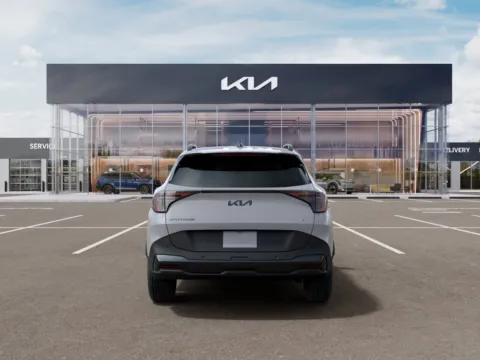
| MSRP | $40,565 |
| Discounts & Fees | − |
| KFA Dealer Choice Program | -$1,250 |
| Dealer documentation fee | $490 |
| Sale price | $39,805 |
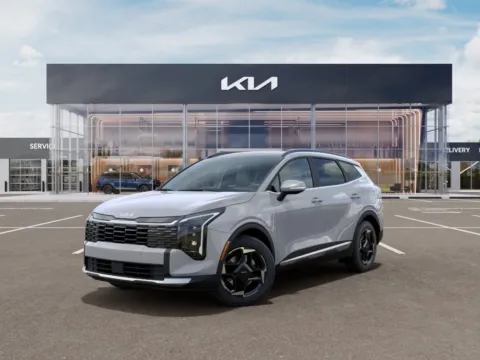
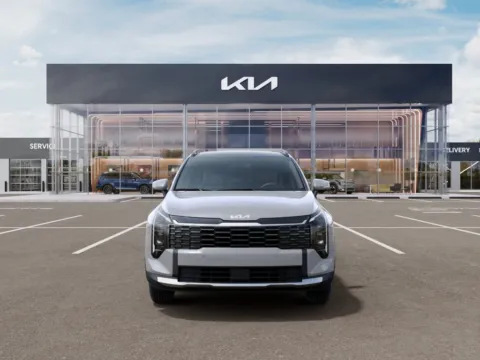
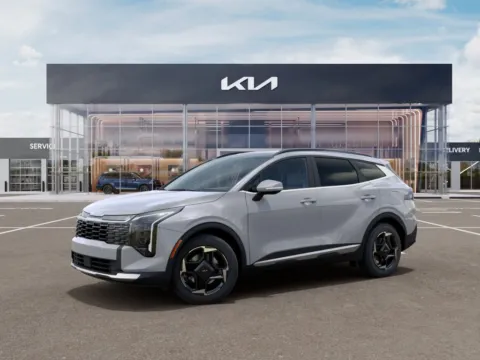
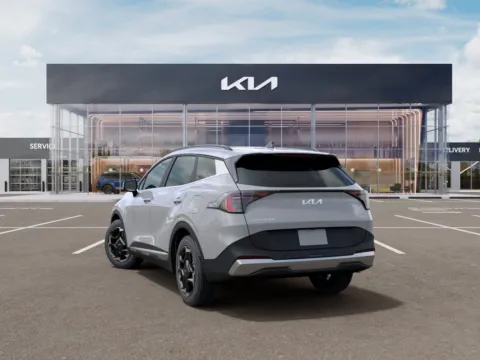
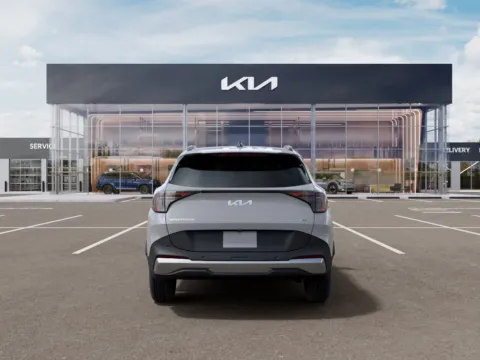
| MSRP | $35,930 |
| Discounts & Fees | − |
| KFA Dealer Choice Program | -$750 |
| Dealer documentation fee | $490 |
| Sale price | $35,670 |
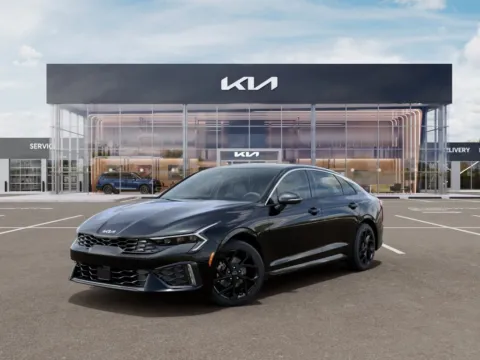
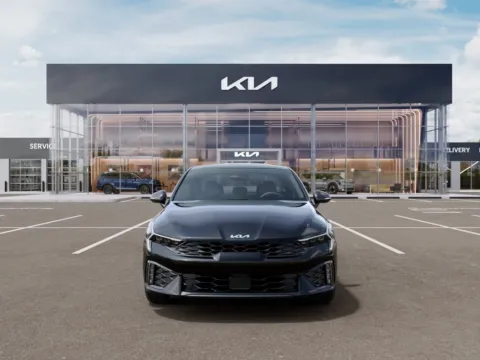
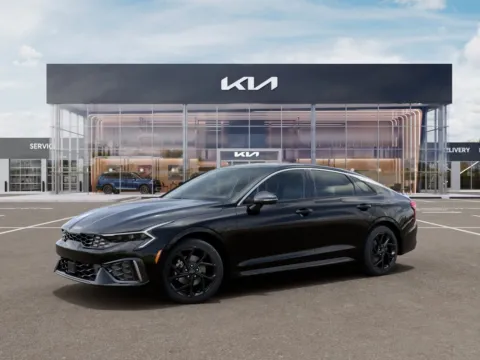
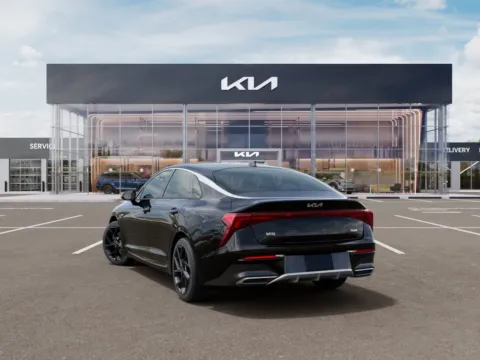
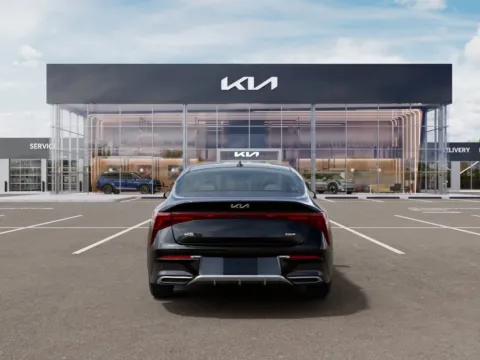
| MSRP | $33,995 |
| Discounts & Fees | − |
| KFA Dealer Choice Program | -$500 |
| Dealer documentation fee | $490 |
| Sale price | $33,985 |
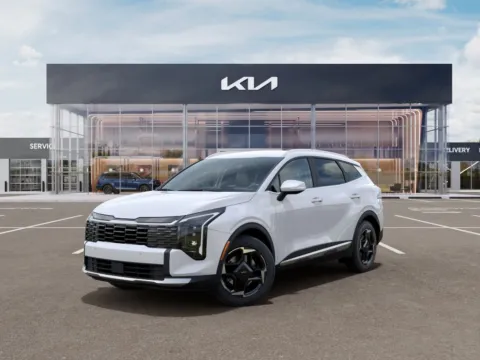
| MSRP | $36,080 |
| Discounts & Fees | − |
| KFA Dealer Choice Program | -$750 |
| Dealer documentation fee | $490 |
| Sale price | $35,820 |
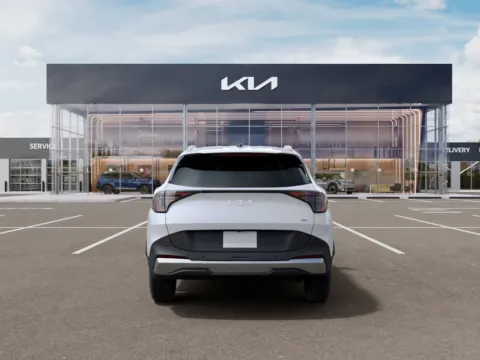
| MSRP | $36,080 |
| Discounts & Fees | − |
| KFA Dealer Choice Program | -$750 |
| Dealer documentation fee | $490 |
| Sale price | $35,820 |
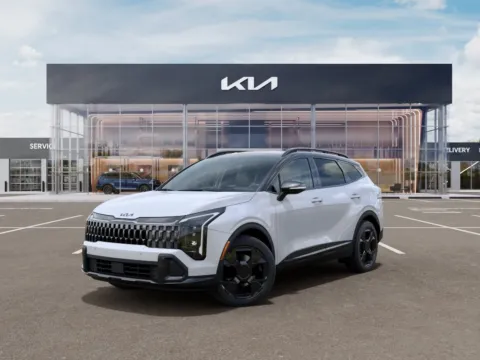
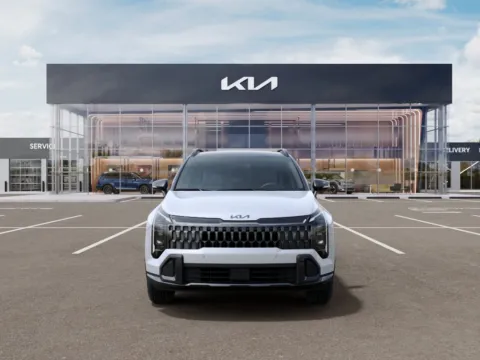
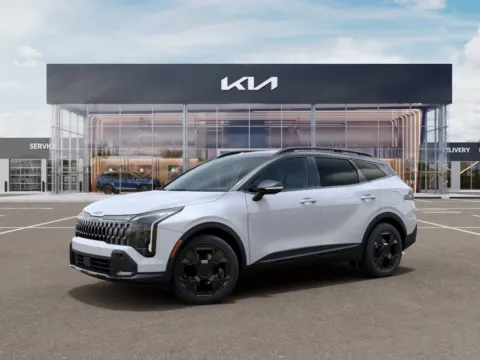
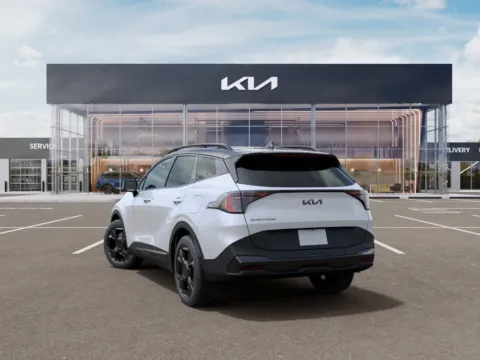
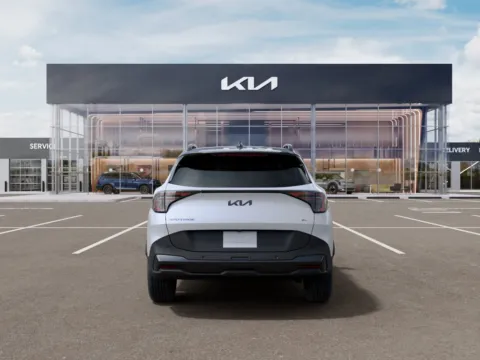
| MSRP | $37,230 |
| Discounts & Fees | − |
| KFA Dealer Choice Program | -$750 |
| Dealer documentation fee | $490 |
| Sale price | $36,970 |
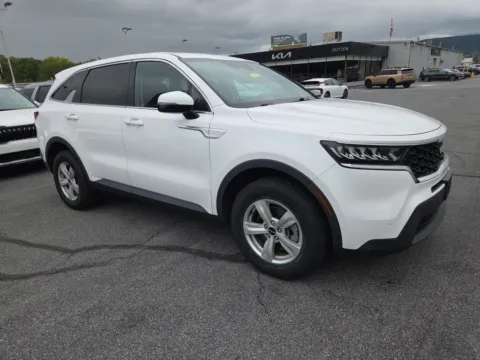
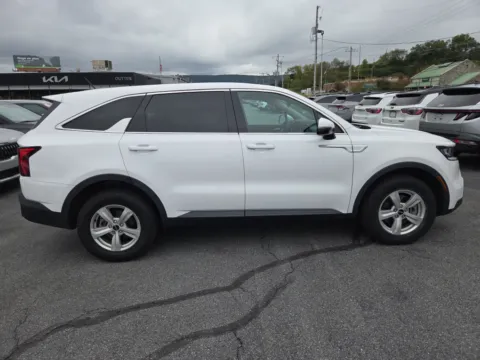
| Original price | $26,490 |
| Dealer documentation fee | $490 |
| Sale price | $26,980 |
| Original price | $16,490 |
| Dealer documentation fee | $490 |
| Sale price | $16,980 |
| Original price | $29,190 |
| Dealer documentation fee | $490 |
| Sale price | $29,680 |
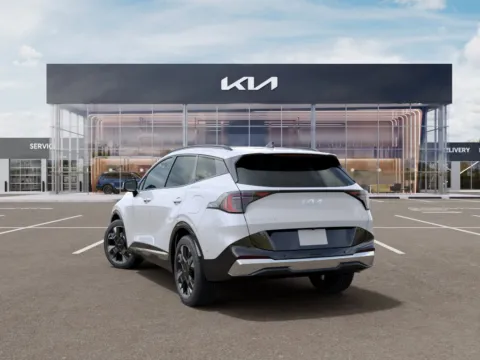
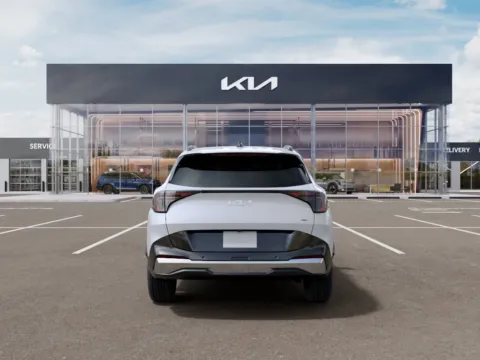
| MSRP | $42,880 |
| Discounts & Fees | − |
| KFA Dealer Choice Program | -$1,250 |
| Dealer documentation fee | $490 |
| Sale price | $42,120 |
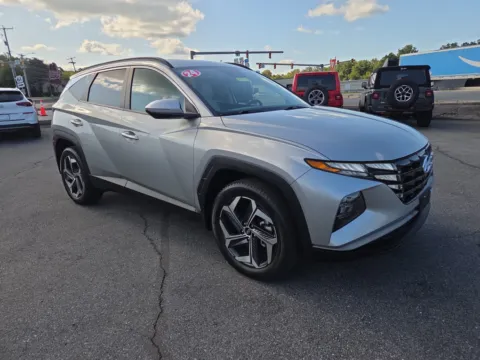
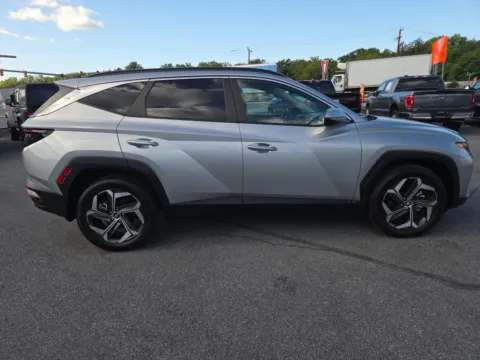
| Original price | $24,999 |
| Discounts & Fees | − |
| Recently discounted | -$509 |
| Dealer documentation fee | $490 |
| Sale price | $24,980 |
| MSRP | $30,250 |
| Discounts & Fees | − |
| Dealer discount | -$1,183 |
| Dealer documentation fee | $490 |
| Sale price | $29,557 |
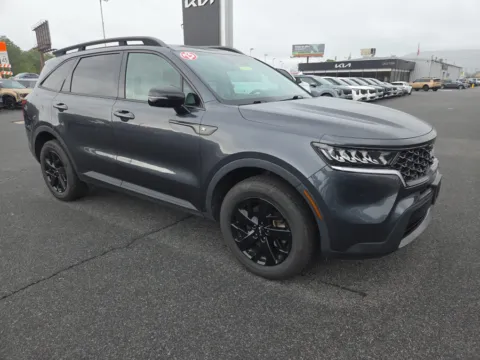
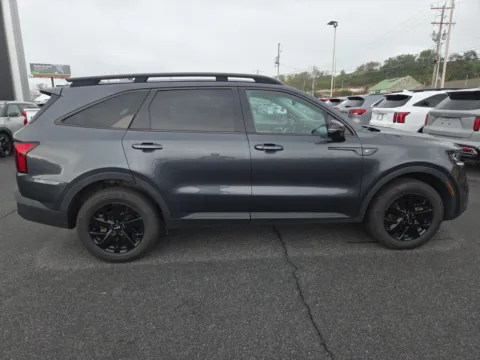
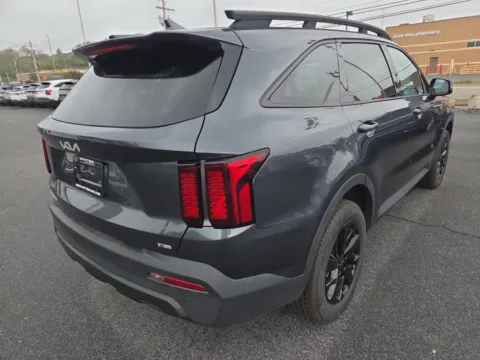
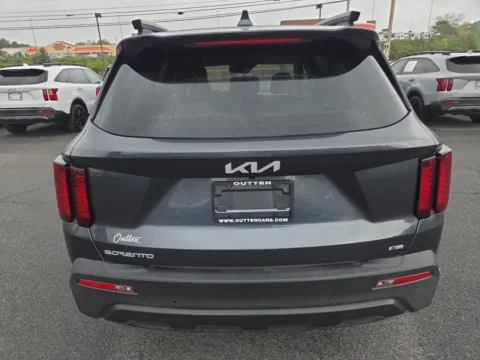
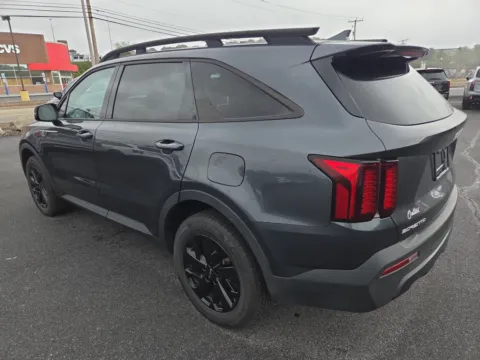
| Original price | $28,690 |
| Dealer documentation fee | $490 |
| Sale price | $29,180 |
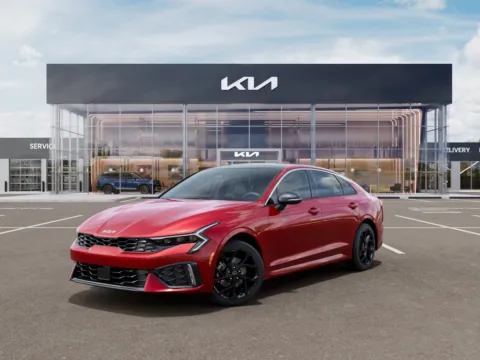

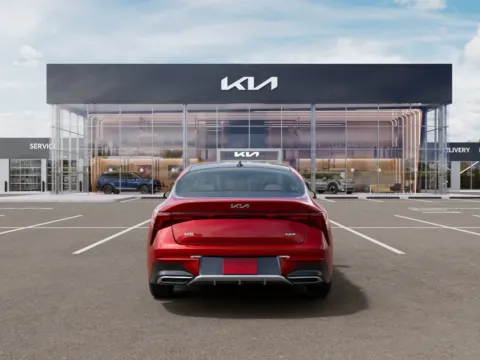
| MSRP | $34,490 |
| Discounts & Fees | − |
| KFA Dealer Choice Program | -$500 |
| Dealer documentation fee | $490 |
| Sale price | $34,480 |
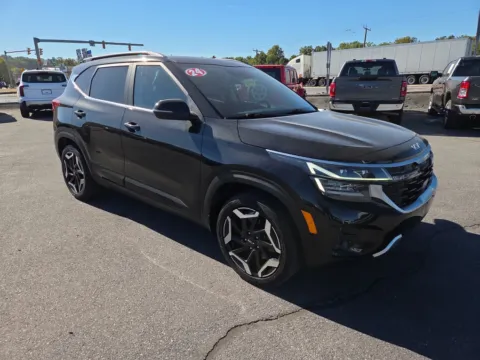
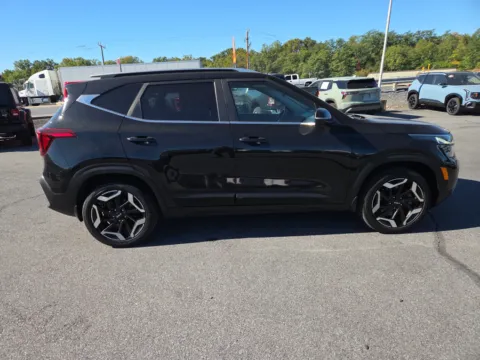
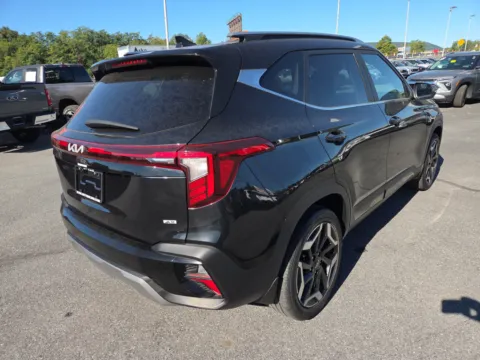
| Original price | $25,790 |
| Dealer documentation fee | $490 |
| Sale price | $26,280 |